


Sale!


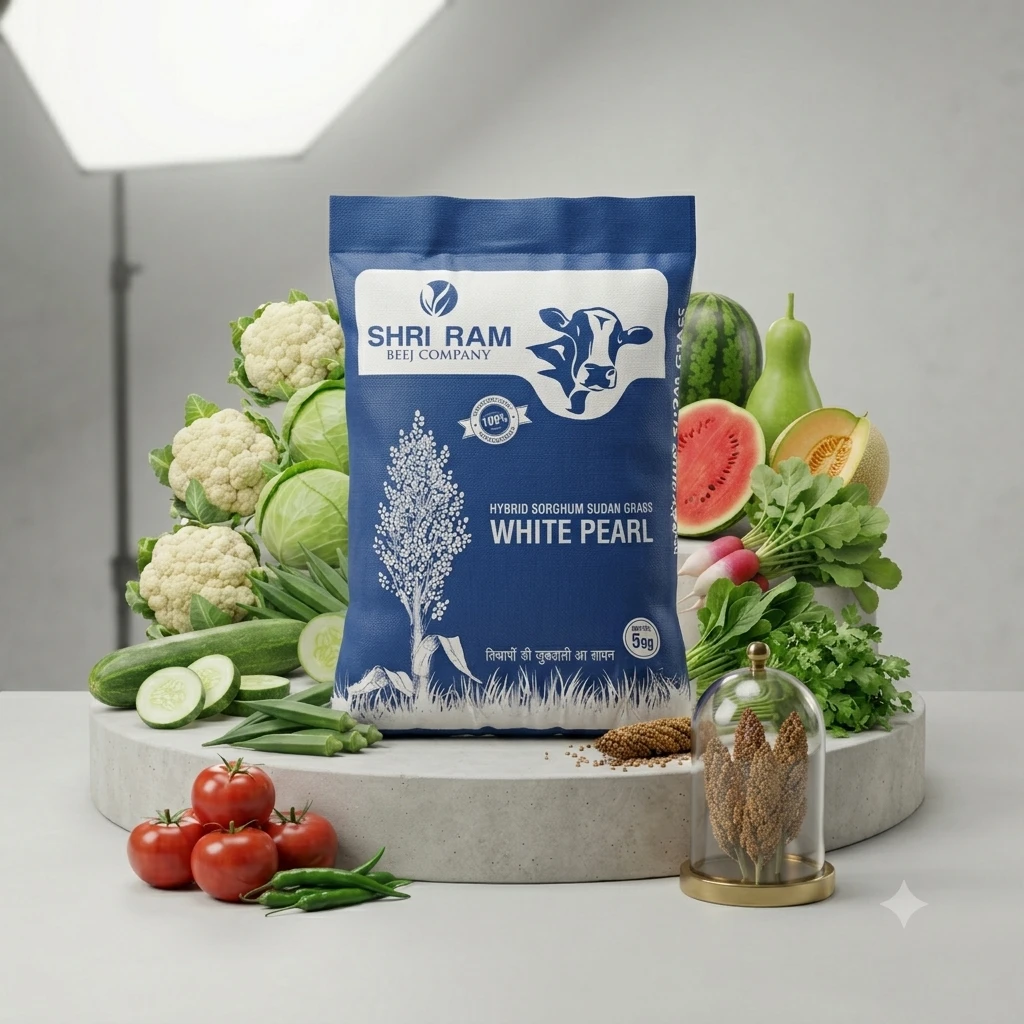
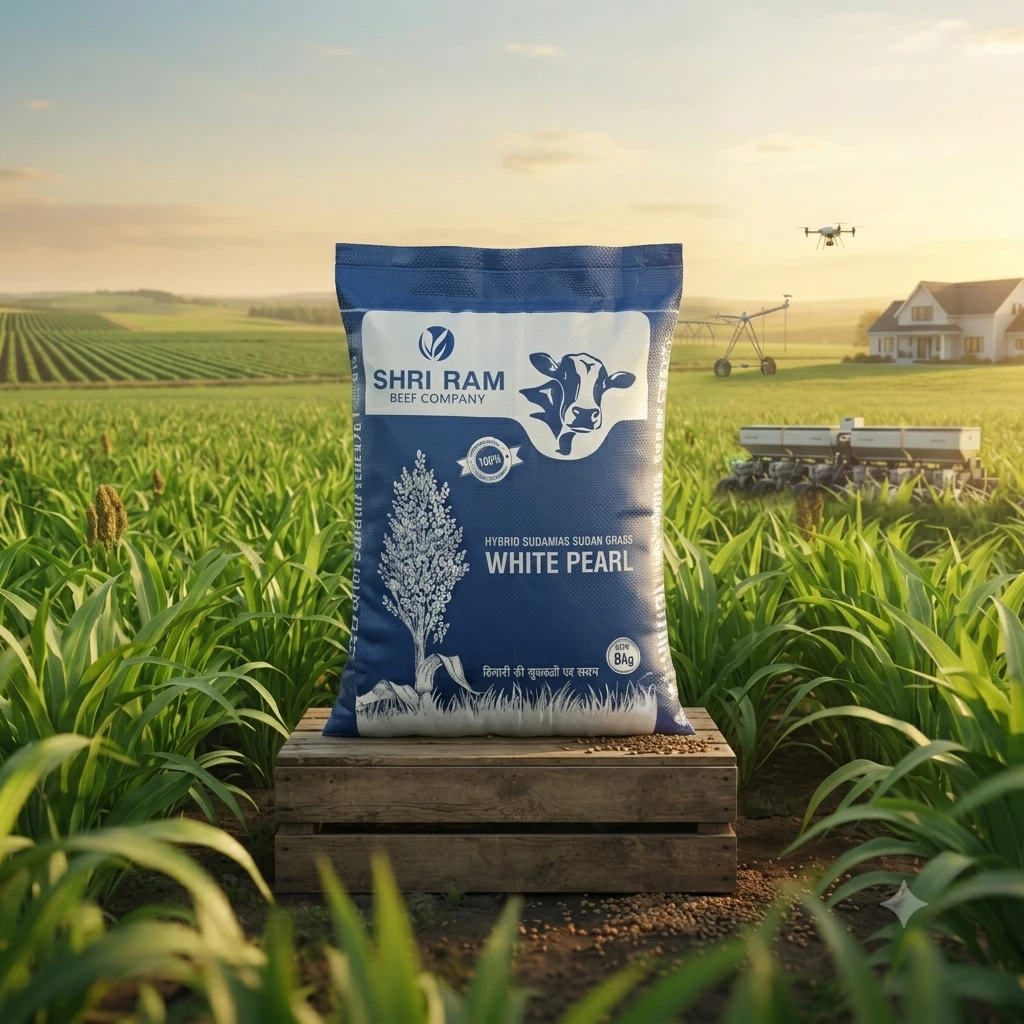
White Pearl Hybrid Sorghum Sudan Grass Shri RAM (5kg)
Original price was: ₹750.00.₹350.00Current price is: ₹350.00.
| Brand | Shriram Seeds Private Limited |
|---|---|
| Country Of Origin | India |
| Ideal For | Farming |
| Materials | Seeds |
| Pack of | 1 |
| Type | Forage Crop |
5 in stock
Product Description
| Attribute | Description |
|---|---|
| Product Name | WHITE PEARL Hybrid Sorghum Sudan Grass – Shriram Seeds Private Limited |
| Product Overview | WHITE PEARL Hybrid Sorghum Sudan Grass is a premium forage hybrid developed by Shriram Seeds Private Limited for high-quality green fodder production. Combining the rapid growth of Sudan grass with the robust biomass potential of sorghum, this hybrid delivers exceptional forage yield, excellent regeneration after cutting, and superior nutritional value. It is widely preferred by dairy farmers, livestock producers, commercial fodder growers, and integrated farming systems seeking consistent, high-quality fodder throughout the growing season. |
| Agricultural Benefits | WHITE PEARL offers rapid germination, vigorous seedling establishment, fast vegetative growth, excellent tillering, and multiple cuttings. Its high biomass production supports improved livestock nutrition while reducing fodder shortages and increasing overall farm productivity. |
| Crop Suitability | Suitable for dairy farms, cattle, buffalo, sheep, goat, and horse fodder production. Ideal for commercial forage cultivation, integrated farming, silage production, hay making, and green fodder systems under irrigated and rainfed conditions. |
| Sowing Season | Recommended for Kharif, Summer, and irrigated fodder cultivation. Optimum sowing is generally from February to April under irrigation and June to August during the monsoon season, depending on regional climatic conditions. |
| Days to Maturity | First cutting is generally ready within 50–60 days after sowing, with subsequent cuttings available every 30–40 days under proper crop management, allowing continuous fodder availability throughout the season. |
| Yield Potential | High-yielding hybrid capable of producing abundant green fodder with multiple harvests. Under recommended agronomic practices, WHITE PEARL provides excellent green biomass production, making it highly profitable for commercial livestock farming. |
| Disease Resistance | Demonstrates good field tolerance to common environmental stresses and maintains vigorous crop growth under recommended agronomic practices. Strong plant vigor supports healthy regrowth and consistent forage production throughout multiple harvests. |
| Plant Characteristics | Produces tall, vigorous plants with strong stems, broad green leaves, excellent tillering capacity, and rapid regrowth after harvesting. The hybrid offers high leaf-to-stem ratio, making it highly palatable and nutritionally valuable for livestock feeding. |
| Forage Characteristics | Produces succulent, tender, leafy green fodder with excellent digestibility, high palatability, and superior nutritional quality. Suitable for direct feeding, silage preparation, and hay production while supporting improved animal health and productivity. |
| Key Features | High green fodder yield, rapid growth, multiple cuttings, vigorous tillering, superior regrowth ability, excellent palatability, high biomass production, strong drought adaptability, quality forage, and reliable field performance. |
| Farming Advantages | Farmers benefit from continuous fodder availability, lower feed costs, improved milk production, enhanced livestock health, efficient land utilization, multiple harvests, increased profitability, and sustainable forage production throughout the year. |
| Growing Conditions | Performs best in fertile, well-drained loamy to clay loam soils with a pH range of 6.0–7.8. Requires adequate moisture, balanced fertilization, regular irrigation where necessary, and proper nutrient management for maximum biomass production and healthy regrowth after each cutting. |
| Market Benefits | High-quality green fodder produced from WHITE PEARL is highly valued by dairy farms, livestock enterprises, fodder traders, silage manufacturers, and commercial forage producers. Its excellent nutritional profile and consistent availability contribute to higher livestock productivity and improved farm income. |
| Nutritional Value | The forage is rich in digestible fiber, crude protein, carbohydrates, essential minerals, calcium, phosphorus, and energy, making it an excellent feed source for dairy cattle and other livestock. Proper harvesting at the recommended stage ensures maximum nutritional benefits and digestibility. |